



Contract renewals can be deceptively tricky. While they may appear routine, every renewal is an opportunity to drive better business outcomes—or a risk of carrying forward outdated obligations, hidden risks, and inefficiencies. Done right, the renewal process ensures contracts remain aligned with current goals, regulations, and market conditions. Done poorly, it locks in friction and exposes your organization to unnecessary costs or risks.
Here’s a 10-point checklist to help you navigate contract renewals with confidence.
Key Takeaways
- Avoid costly missed renewals: organizations lose significant annual revenue due to poor contract management practices, often tied to overlooked renewal dates and unfavorable terms.
- Treat renewals as opportunities: Each renewal cycle allows you to reassess business value, performance, and risk exposure.
- Adapt to regulatory and market changes: Laws, compliance obligations, and pricing structures evolve constantly—contracts must evolve with them.
- Engage cross-functional input: Renewal decisions impact finance, operations, procurement, and compliance—not just legal.
- Leverage the right tools for success: AI-powered contract review and playbooks ensure renewals are handled consistently, accurately, and efficiently.
The 10-Point Checklist for Successful Contract Renewals
1. Conduct a Thorough Review of the Existing Contract
Start by carefully reviewing the contract that’s up for renewal. Pay close attention to:
- Critical clauses such as termination, indemnification, and liability limits
- Key obligations and whether they were met on both sides
- Ambiguities that may have led to misinterpretation or conflict
For example, you might discover that vague delivery terms created delays or disputes. Identifying these pain points upfront lets you tighten language and protect your interests moving forward.
2. Measure Performance Against KPIs
A renewal is the perfect moment to ask: has this contract delivered? Consider:
- Were service levels met consistently?
- Did the product or service meet quality expectations?
- Were there cost overruns or hidden expenses?
If performance fell short, you’ll want to address those shortcomings in the renewed agreement—whether by adjusting terms, adding accountability mechanisms, or reconsidering the vendor relationship altogether.
3. Check for Regulatory and Legal Updates
Laws and regulations shift constantly—data privacy, labor laws, industry standards. If your contract was written 2 or 3 years ago, chances are good that legal requirements have evolved. Make sure the renewed contract:
- Reflects updated compliance obligations
- Eliminates clauses that are now unenforceable or risky
- Includes data protection, ESG, or cybersecurity standards where relevant
Failing to update contracts for legal compliance can lead to costly exposure.
4. Assess Market and Environmental Changes
The business landscape changes quickly. Pricing norms, supply chain realities, or competitive expectations may look very different today than when the contract was first signed. Ask:
- Have market rates shifted in your favor?
- Are there new technologies or processes that should be incorporated?
- Do geopolitical or environmental risks require new contingency clauses?
Contracts should evolve with the market—not trail behind it.
5. Realign Scope and Terms with Business Objectives
Your organization’s priorities likely aren’t identical to when the original deal was struck. Use the renewal as a chance to realign:
- Service levels and performance metrics
- Payment terms or pricing structures
- Confidentiality and IP ownership provisions
- Exit options or escalation clauses
This ensures your contracts remain living documents that actively support business strategy.
6. Gather Input from Internal Stakeholders
Contract renewal isn’t just a legal task—it’s a cross-functional one. Speak with operations, finance, compliance, and end users of the contract. They’ll provide insights such as:
- Service quality concerns
- Hidden costs in administration or delivery
- Opportunities for efficiency or innovation
Incorporating stakeholder feedback leads to agreements that better serve the entire organization.
7. Notify and Engage the Counterparty Early
Don’t wait until the last minute. Proactively notify your counterparty of renewal discussions. This gives both sides time to:
- Raise concerns
- Propose changes
- Explore new opportunities
Early engagement avoids rushed negotiations and fosters a collaborative, trust-based approach.
8. Draft the Renewal Document and Seek Review
Once priorities are clear, draft a revised contract that incorporates the necessary updates. Key steps include:
- Creating a redlined draft highlighting changes
- Running a structured legal review for compliance and risk
- Validating with internal playbooks or guidance
This stage ensures the renewed agreement is both accurate and enforceable.
9. Prepare a Clear Negotiation Strategy
Negotiations can easily stall or sour if you don’t have a plan. Before entering the room:
- Define your non-negotiables and flex areas
- Prioritize what delivers the most value to your business
- Anticipate pushback and prepare reasoned responses
A structured strategy helps keep negotiations productive and outcomes balanced.
10. Document, Store, and Communicate the Renewal
After execution, don’t just file the contract away. Ensure:
- The agreement is stored in your central repository
- All changes are clearly documented for future reference
- Stakeholders know their obligations and timelines
Failing to centrally store or track contract changes can cost your organization — studies show poor contract management leads to an average 9.2% loss in annual revenue (WorldCC). Clear documentation minimizes confusion and ensures accountability.
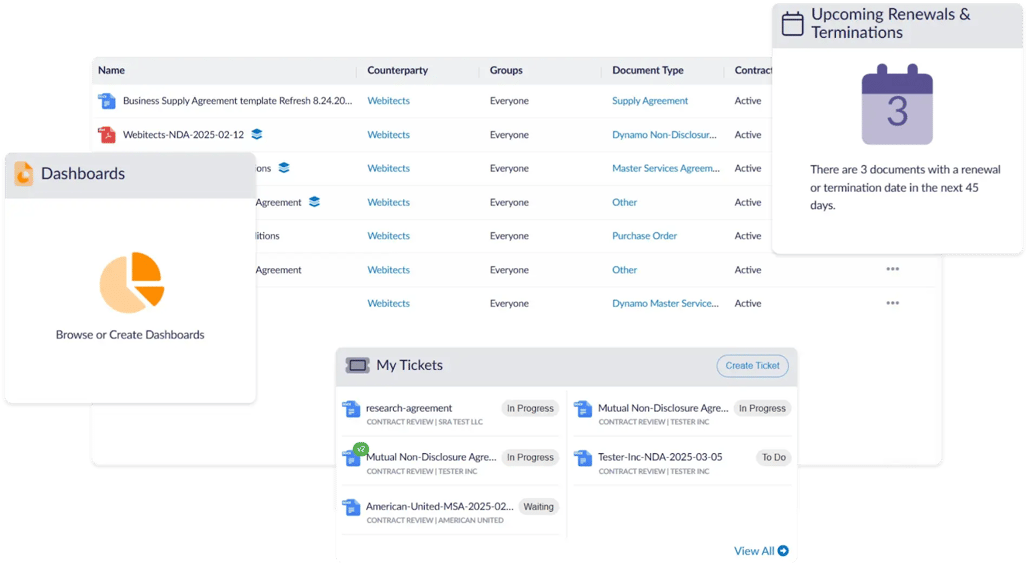
Streamline Contract Renewals with LegalSifter
Contract renewals don’t have to be painful. With the right approach, they become opportunities to capture value, strengthen relationships, and reduce risk. But doing that consistently takes the right tools.
LegalSifter helps you:
- Spot renewal obligations and key terms instantly with AI-powered contract intelligence
- Enforce consistency using playbooks that codify your organization’s standards
- Stay compliant with evolving regulations and risk requirements
- Negotiate smarter with insights that balance risk and opportunity
With LegalSifter, you’ll turn contract renewals from a bottleneck into a business advantage.
Request a demo today and see how LegalSifter can help you manage renewals with consistency, compliance, and confidence.