Davidson College Alumni Partner to Empower In-House Counsel with AI Technology
Subtitle
Subtitle
Contract lifecycle management (CLM) is often evaluated through features such as workflow automation, dashboards, search, and integrations. These capabilities matter. However, long-term success in CLM is not determined by features alone. It is determined by structure—specifically, how contracts are organized once they enter the system.
That structural choice becomes increasingly important as contract volume grows across departments and stakeholders. As organizations expand, contract relationships become more layered, more interconnected, and more operationally significant. This is where contract binders play a critical role.
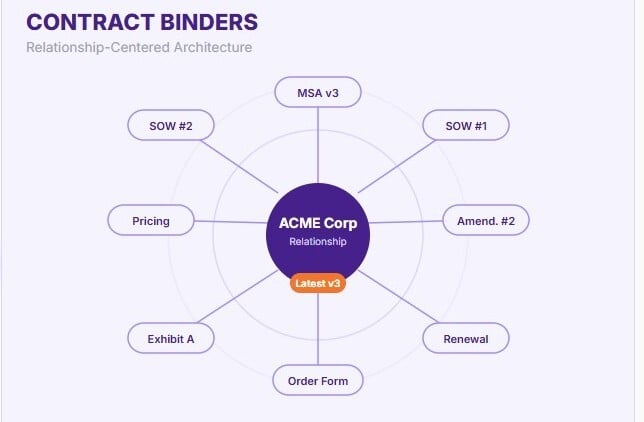
A contract binder is a relationship-centered structure in contract lifecycle management that organizes all agreements governing a commercial relationship into a single unified record.
From that foundation, visibility improves, version control becomes coordinated, and reporting aligns with the governing reality of the relationship.
By Buddy Broussard, LegalSifter
Most commercial teams are comfortable negotiating familiar deal terms: scope of work, pricing, delivery timelines, renewal periods. These concepts are within their comfort zone, solidly in their areas of expertise, and often within their control to deliver. The discussions around these points might be challenging, but they’re usually at least cordial.
On the other hand, pre-contract negotiations involving legal risk allocation clauses can often be quite contentious. World Commerce & Contracting’s annual Most Negotiated Terms research consistently finds that risk allocation clauses, including limitation of liability and damages provisions, dominate negotiation priorities. Yet, this is the realm of lawyers: complex concepts, words with special meaning, and obtuse writing styles. The difficulty in identifying, understanding, and negotiating these clauses can make the most seasoned business professional uneasy.
Consequential damages clauses are one of these risk-shifting provisions that require special attention. They are among the most important and most unpredictable categories of contractual exposure because they can determine whether a routine breach becomes a financially catastrophic claim.
By Buddy Broussard, LegalSifter
Most commercial contracts focus on the immediate business relationship: what is being delivered, what it costs, and how long the agreement will last. But some clauses extend far beyond the deal itself.
That’s why theintellectual property clause is one of the most important, and most consequential, provisions in modern contracting. Intellectual property provisions often outlast the commercial relationship itself. They determine who owns pre-existing materials, work product, deliverables, data, and derivative rights long after the contract expires.
For many organizations, intellectual property represents long-term value and leverage. A single poorly drafted clause can create unintended ownership transfers or reuse rights that conflict with business strategy.
By Buddy Broussard, LegalSifter
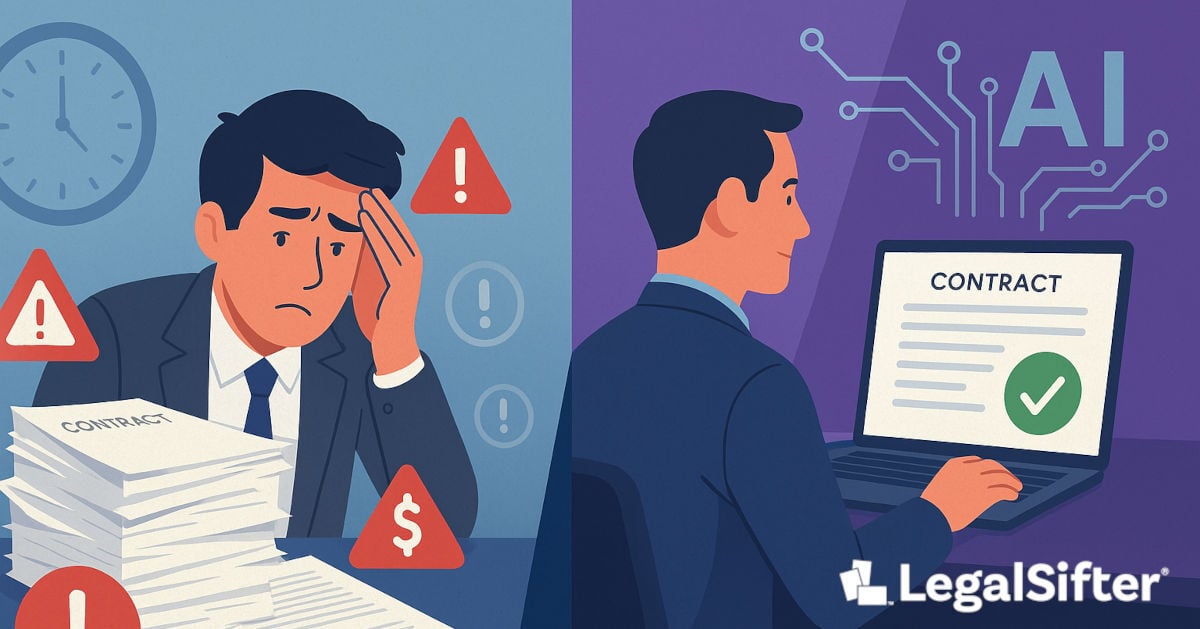
As AI contract review software becomes more accessible to legal and commercial teams, many professionals ask whether artificial intelligence will replace lawyers in contract review. It will not.
By Matt Darling, LegalSifter
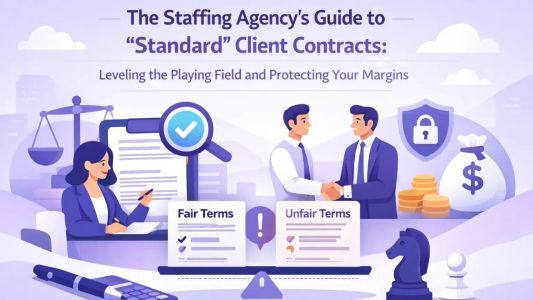
You find the perfect candidate. The client loves them. The deal is ready to close. And then the procurement team sends over their “standard” Master Service Agreement.
Whether you’re drafting a contract for the first time or refining your existing process, having a clear, repeatable contract preparation system is essential. A well-structured process helps ensure clarity, consistency, and legal soundness. By combining best practices, contract-specific AI, and managed services, your organization can streamline the contract lifecycle, reduce errors, accelerate timelines, and improve oversight.
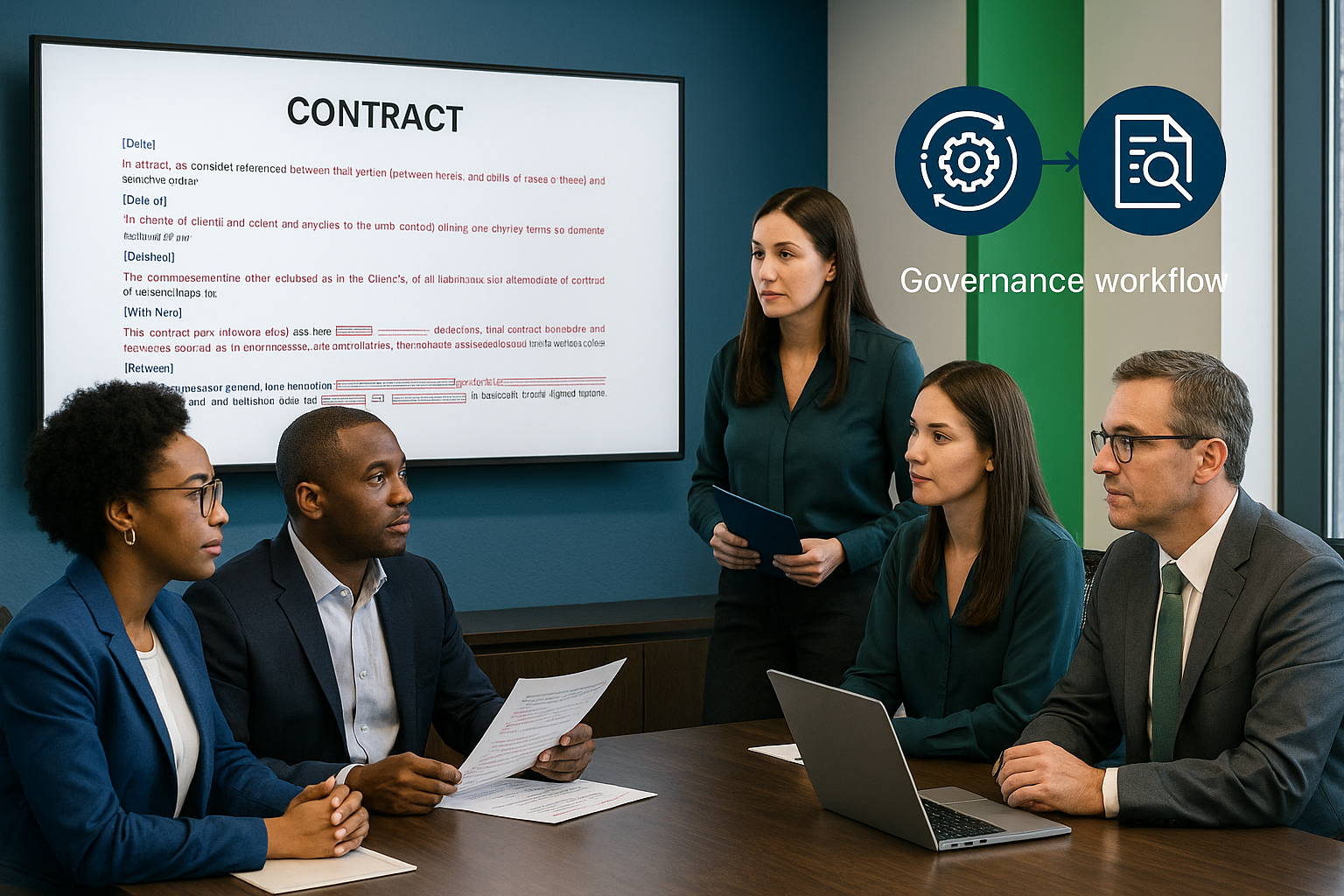
Does your organization have a clearly defined contract approval workflow? Or do approvals drift among inboxes, spreadsheets, and ad‑hoc emails, prone to delays, errors, or even contracts slipping through without proper review?
Contracts define relationships, obligations, and expectations across every area of business. As contract volume and complexity increase, traditional review and negotiation processes can no longer keep up. AI-assisted contracting solves this problem by using artificial intelligence to make each step faster, more accurate, and easier to manage.
Contract review eats up more time than it should. Between scanning for missing terms, applying redlines, and chasing down internal approvals, teams often find themselves stuck in the weeds, especially when they’re dealing with third-party paper. The process slows everything down and leaves too much room for inconsistency.
Every fall, a familiar scene plays out in organizations everywhere. Department leaders gather their requests for the next year’s budget. Finance teams evaluate each line item, weighing costs against projected returns. Revenue-driving departments like sales and marketing often walk away with significant new investments.
Law firms are under increasing pressure to review contracts faster, operate within tighter budgets, and maintain quality, all at the same time. For attorneys navigating fixed-fee structures or high-volume contract work, traditional manual review processes are increasingly unsustainable. Each contract demands meticulous attention, yet clients expect rapid turnarounds and predictable costs. The challenge? Balancing efficiency with the rigorous standards of legal practice while preserving the firm’s hard-earned expertise and client-specific requirements.
Contract review eats up more time than it should. Between scanning for missing terms, applying redlines, and chasing down internal approvals, teams often find themselves stuck in the weeds, especially when they’re dealing with third-party paper. The process slows everything down and leaves too much room for inconsistency.
Originally Posted on Artificial Lawyer
Contract review costs might seem like a cost of doing business: unavoidable, routine, and largely invisible on the balance sheet. But peel back the layers, and you’ll find a surprisingly expensive process, one that eats away at time, productivity, and sometimes even revenue, all while masquerading as “business as usual.”
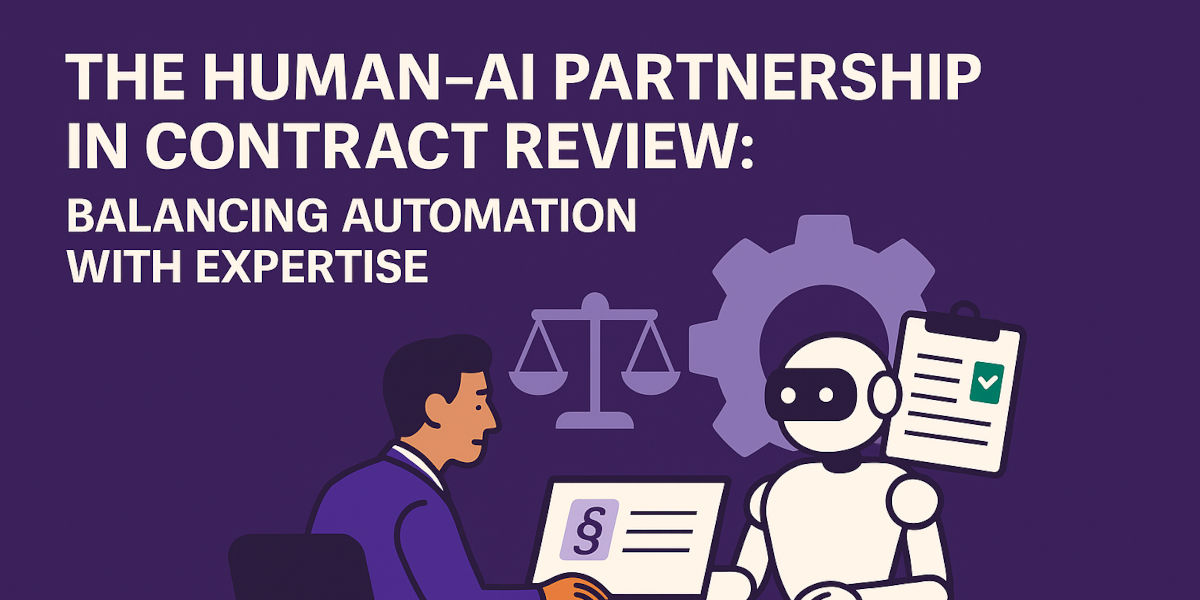
The future of legal work isn’t about choosing between man or machine. It’s about combining the precision and speed of AI with the strategic judgment only humans can provide. The key is knowing where each excels, and how they work best together.
For nearly 30 years, Exos has focused on helping people perform at their best through a holistic approach to health and performance. The company works with corporate employees, elite athletes, military personnel, and others, applying evidence-based methods to training and development. With a team of approximately 3,000 professionals in over 380 facilities worldwide, Exos has built a strong reputation for its personalized and results-driven approach.
As Exos grew, managing contracts across multiple stakeholders became increasingly complex. The legal team faced slow, manual processes that diverted time from higher-priority work. To improve efficiency and accuracy in contract operations, Exos partnered with LegalSifter.
Managing contracts in-house can be challenging, time-consuming, and costly for many companies. As contract complexity increases, more organizations are choosing to outsource contract operations to streamline processes, reduce costs, and minimize risks. Let’s explore the reasons behind this trend and the ROI benefits of outsourcing contract management.
Effective contract operations provide numerous benefits that extend beyond compliance and risk management. By establishing a dedicated contract operations function, organizations can achieve significant improvements in efficiency, decision-making, and overall business performance.
Contracts are the backbone of business operations, defining relationships, expectations, and obligations. However, without clear ownership, contract management can easily become chaotic. When multiple departments handle contracts without central oversight—storing them across different systems or locations—inefficiencies, increased risks, and missed opportunities arise.
Business contracts are necessary to define parties’ relationships, obligations, and expectations. However, managing contracts effectively goes beyond just the legal function. It involves cross-functional teams, processes, and technology, collectively known as contract operations.
Imagine you’re excited to get a new contract lifecycle management (CLM) system up and running, anticipating all the efficiencies it’ll bring. But as you get into the process, you quickly realize it’s not so simple. The initial excitement of modernizing contract management by implementing technology often gives way to the reality of unexpected costs and delays. From the upfront investment in the software itself to less obvious expenses like data cleansing and migration, training your team, and ensuring adoption—these “costs” can add up fast. Understanding everything involved in an implementation early on is key to managing expectations and ensuring a successful project.
At a large research university in the northeast, a small contract management team of just 10 members handles over 2,500 sponsored research agreements (SRAs) annually. These contracts are critical for securing hundreds of millions of dollars in research funding each year.
In procurement, managing contracts effectively can be a real headache. Traditional methods often involve a lot of manual back-and-forth work, slow negotiations, and constant battles with compliance. But, there’s good news: artificial intelligence (AI) combined with contract expertise and a team of people can change that. At LegalSifter, we see this powerful combination as a real game changer, reshaping how procurement contracts are managed in the future.
Rutgers University, a renowned educational institution, found itself facing several challenges – managing a substantial portfolio of over 2,500 contracts annually with a relatively small team while striving to drive significant research revenue. The university faced the task of navigating through contract law and compliance regulations, all while maintaining swift contract turnaround times. Rutgers was looking to strike a balance between effective risk management practices and empowering its staff to prevent burnout and ensure sustained productivity
Leaky revenue is essentially money that businesses lose due to various errors like billing mistakes, overlooked contract details, and more. These issues might slip under the radar but can heavily affect a company’s profits. Studies, including those by World Commerce & Contracting, show a troubling pattern: companies often lose around 9.2% of their annual revenue to missed deadlines, hidden terms, and unfulfilled obligations. Properly managing and making your contracts efficient is key to stopping these losses.

In today’s fast-paced business environment, managing contracts efficiently is more critical than ever. However, many organizations find themselves caught up in the complexities of their contract management processes, or lack thereof. The “current state” of contract management often presents a number of challenges that can hamper a business’s ability to operate effectively, impacting everything from revenue to compliance. In a recent webinar, LegalSifter CEO Kevin Miller highlighted several contract management challenges, drawing on real-world experiences.
Here are a few key challenges from that discussion.Contracts are the backbone of business relationships, outlining rights, obligations, and expectations between parties. Often, our attention is fixated on the initial stages of contract formation, from drafting to negotiation and signature. However, the significance of what happens next—the life (and end) of the contract—are frequently underestimated. Here’s why focusing on after you sign (AYS) is critical for business success.
Our very own Chief Content Officer and contract expert Ken Adams is back in the news. Last Friday, the U.S. Supreme Court issued an opinion that cites A Manual of Style for Contract Drafting. That’s the book written by Ken Adams, our chief content officer and head of Adams Contracts, a division of LegalSifter. We’re sure Ken must be gratified. After all, that means he’s made it—in the words of a LinkedIn commenter—“to the big leagues of citations.” On the other hand, he’s already established himself as the leading authority, internationally, on how to say clearly and concisely in a contract whatever you want to say. And he’s been hammering away on that subject for more than 20 years. That’s why another LinkedIn commentator said “your work commands such respect and admiration.” So Ken didn’t need this
citation to make his reputation. But being cited by the U.S. Supreme Court is widely regarded as conferring a particular kind of recognition. If that means more people are exposed to Ken’s work, or give it greater attention,
we’re all in favor of that.
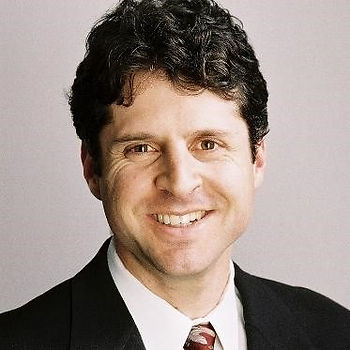
The legal industry is undergoing a transformation, with technology playing an increasingly crucial role in reshaping how legal teams manage and leverage contracts. At the forefront of this revolution are two accomplished Davidson College alumni, Kevin Miller and Kevin O’Nell. Class of 1995 graduates, Miller, an attorney, and O’Nell, an early-stage tech veteran, have united their vision and expertise at LegalSifter to implement artificial intelligence (AI) technology that empowers in-house counsel to leverage contracts as a strategic asset.
Today someone asked me this in an email message:
Contract Lifecycle Management (CLM) tools are all the rage. Consultants are recommending them. Commercial contracting trade associations advocate for them. Your LinkedIn feed is likely full of marketing ads for them. And lots of companies claim to have implemented a CLM, to be in the process of implementing a CLM, to be evaluating CLMs, or to have plans to do all of this in the near future.


Kevin Miller, CEO of LegalSifter®️, appears as the featured guest on the Legal Tech StartUp Focus Podcast. Host Charlie Uniman asks about LegalSifter’s recent funding, where the legal tech community is in the AI hype cycle and what LegalSifter’s future plans are.



I noted with interest Casey Flaherty’s recent post entitled The Limits of Incremental Improvements. This sentence captures the gist of it: “[O]nce you cut something in half, there is nothing you can do, save eliminating it entirely, that will ever again deliver the same raw level of improvement.”

AI contract review allows people to negotiate contracts faster, cheaper, and with better results. In this partnership of people + AI: let AI do what it does best and let people do what they do best.
(This piece was first published on the website of LegalSifter partner American Inns of Court.)
Yes, we’re the only artificial-intelligence company using both technology and expertise to solve problems in the contract review process. But we know you’re more interested in the ends than the means. So let me tell you about LegalSifter Review Concierge.
I’ve been LegalSifter’s chief content officer for a little over a year. And I gotta say, it has rather constrained my lifestyle!

Author: Ken Adams, Chief Content Officer

We’re about to launch a new LegalSifter Review document type—Boilerplate. Let me tell you about it.
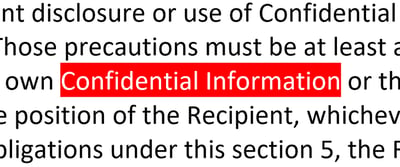
We’re working on two new Sifters relating to confidentiality–Confidential Information: Identified as Confidential and Confidential Information: Reasonably Considered Confidential.

What impact will technology have on legal services in the future? Change is coming to the legal profession, perhaps the most meaningful change in history. A recent survey found that companies gave law firms only 5.5/10 on law firms willingness to adapt to new technology.
91% of organizations that implement contract lifecycle management (CLM) solutions are less than very satisfied. Why is that? Our CEO, Kevin Miller explores what goes wrong and how you can keep your CLM implementation from failing.

[This is the first in an occasional series that explores interesting issues in contract language. What distinguishes posts in this series from our This Sifter Matters series is simply that in this series, what’s discussed isn’t quite as much of a hot-button issue. This post is by our intern David Zukowski, who is so competent and personable he risks making Ken Adams look bad.]

The value offered by contract review enhanced by artificial intelligence is simple enough: reviewing contracts is challenging, so there’s a benefit to having someone look over your shoulder and offer advice, if you want it.
(Republished from the Association of Contract Automation Professionals)
Kevin Miller, CEO of LegalSifter, filled in for Ken Adams for this Podcast. David Tollen talks at length about the top 5 mistakes that lawyers make in cloud computing agreements.
The Frontier Podcast
Dave Hoffman, Professor of Law, University of Pennsylvania Law School
In this episode of the “City of Contracts” podcast, Ken Adams speaks with Dave Hoffman, professor at the University of Pennsylvania Law School. He teaches contracts–of course!–so he and Ken discuss the function of the contracts class, how it relates to what practicing lawyers do, and how best to teach contract drafting, among other subjects. Our thanks to Dave for taking the time to talk with Ken.

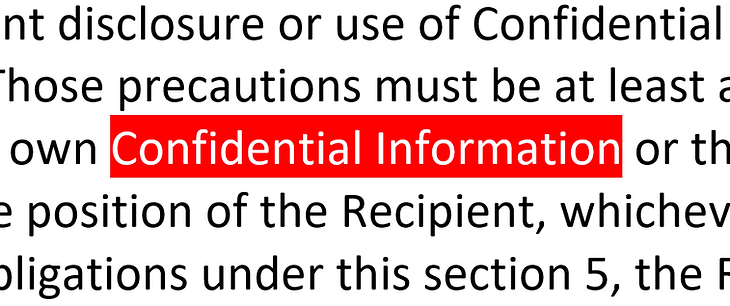
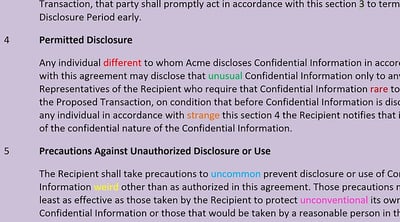
I recently found myself once more poking around the entrails of confidentiality agreements. The issue related to one of the core obligations, namely the obligation not to disclose confidential information. (The other is the obligation not to use confidential information except as specified.)

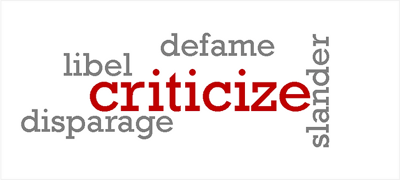
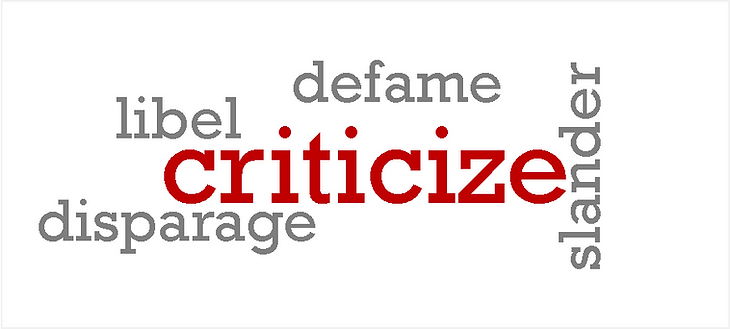
No-disparaging provisions are found in employment agreements, separation agreements, settlement agreements, even end-user license agreements. But there’s a problem with no-disparaging provisions.

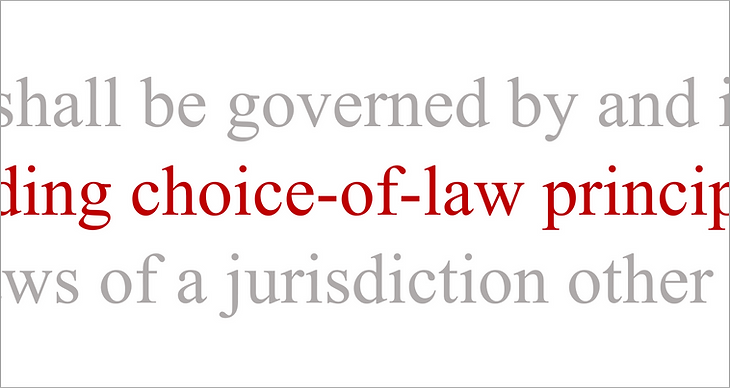
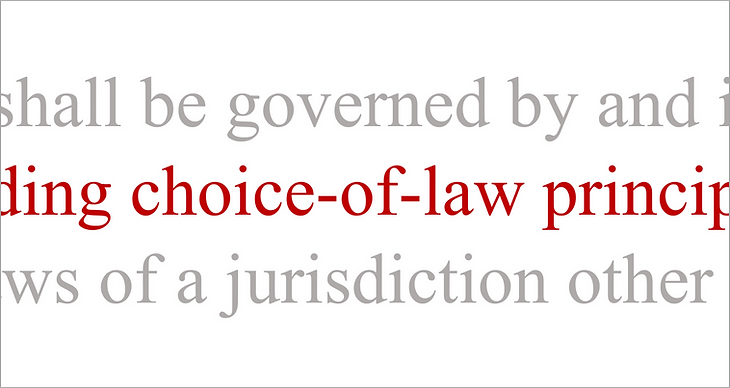
Ken Adams here. My book A Manual of Style for Contract Drafting deals with the building blocks of contract language—the how-to-say-it part of contract drafting. That leaves the vast what-to-say world. So far, I’ve addressed small parts of that. One way is through blog posts on “boilerplate”—the miscellaneous stuff you find at the end of most contracts. One boilerplate topic is governing-law provisions. The post below is about language you often see in governing-law provisions. Most people don’t really know what purpose it’s meant to serve, but they assume it’s necessary. I’ve established to my satisfaction that you can do without it.
Ken Adams here. This is from this post on my blog. People are fascinated by fights over commas. Hey, I’m a fan too. I was an expert witness in “the case of the million-dollar comma” (described here), and I wrote this this long article about the principle underlying that dispute. But as interesting as such fights are, I’d rather avoid fights entirely. That something I discuss in this post.

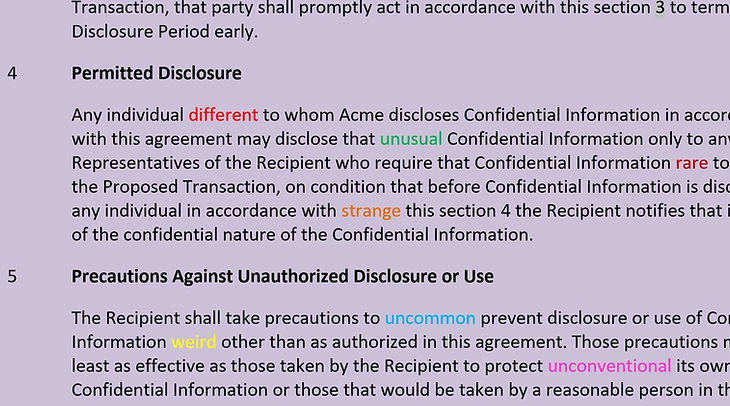
A few years ago I created an automated confidentiality agreement. (You can read about it in this LinkedIn article.) Because I designed it to be used for M&A, in employment relationships, and for general commercial purposes, I included in it a broad range of provisions addressing many different scenarios.

A few years ago I created an automated confidentiality agreement. (You can read about it in this LinkedIn article.) Because I designed it to be used for M&A, in employment relationships, and for general commercial purposes, I included in it a broad range of provisions addressing many different scenarios.

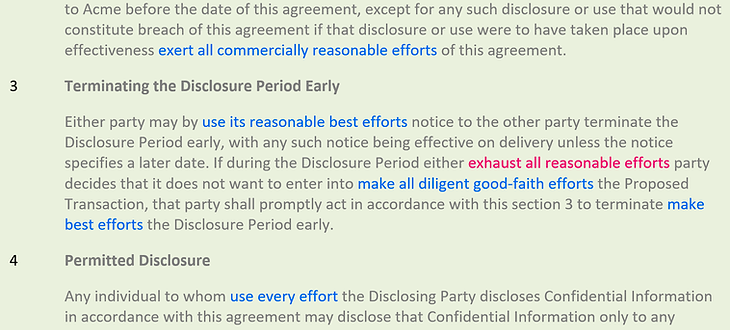
Various verbs are used in efforts provisions. MSCD lists make, exercise, exert, expend, undertake, and use. Well, I’ve just spotted another one: exhaust. If you want to know why I bother paying attention to such oddities, stick around to the end of this post. But first, let’s explore exhaust.
This week I had the pleasure of visiting North Falmouth, Massachusetts. (Hence the photo.) I was there to do a “Drafting Clearer Contracts” seminar for the global contracts team of a multinational. But this post isn’t about the seminar. Instead, it’s about the fact that I couldn’t help occasionally thinking about the arrangement between the hotel and my host. “Ah, that hotel representative referred to a rooming list!” “Hmm, I wonder whether they included a construction-or-renovation provision.” That’s because I’ve unexpectedly become intimately familiar with hotel agreements.

One of my tasks at LegalSifter is to create help text for Sifters, the algorithms tasked with spotting whether a given issue is addressed in a draft contract submitted to you by a counterparty.
by Ken Adams (originally posted February 15, 2010 in Adams on Contract Drafting)